
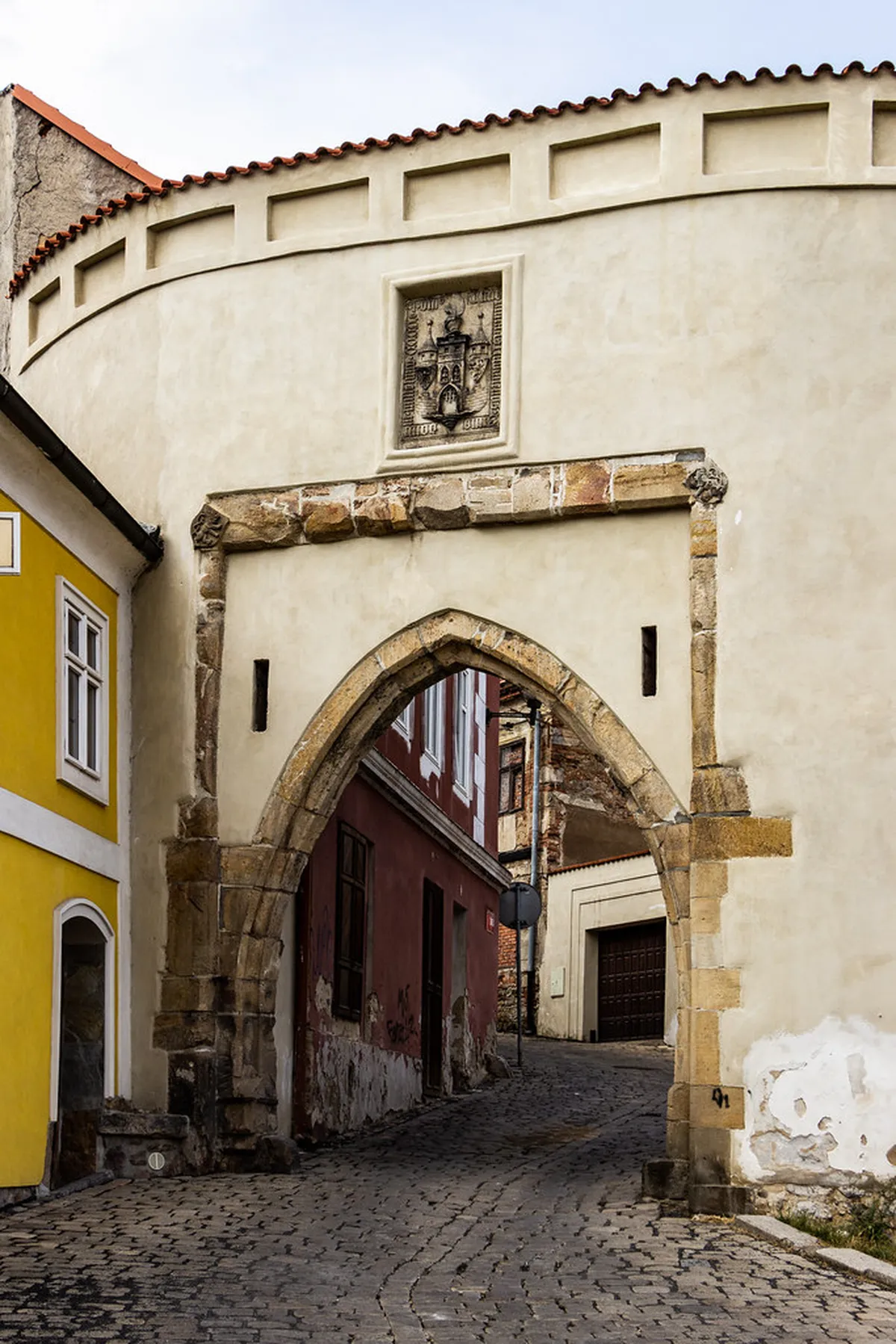
The Ultimate Prague Walking Accessibility Guide for 2026
Prague is a city known for its stunning Gothic architecture and winding medieval streets. These features make it beautiful but also present challenges for those with mobility needs. This Prague walking accessibility guide helps you plan a smooth and enjoyable trip. You will find practical tips on barrier-free routes, transport, and local secrets. Whether you use a wheelchair or simply prefer easier paths, this guide is for you. Let's explore the Golden City with confidence and ease.
Essential Before-You-Go Accessibility Planning
Preparation is the key to a successful trip to the Czech capital. The city's historic nature means that modern accessibility is often retrofitted. You should start by researching the specific areas you wish to visit. Many old buildings now have ramps, but some still have small steps. Using a Prague official site can help you find real-time updates on infrastructure.
Accommodation choice is your most important decision. Stay in the New Town (Nové Město) for flatter streets and wider pavements. The Old Town is charming but much more difficult to navigate with wheels. Check if your hotel has a lift that fits your specific mobility aid. Some historic lifts are quite narrow and may not accommodate large power chairs.
- Download barrier-free maps: Look for official PDF maps that highlight curb cuts and ramps.
- Check transport status: Visit the DPP website to see which metro stations have working elevators.
- Research tours: Look for prague self-guided walking tours that explicitly mention step-free routes.
- Verify museum access: Contact venues like the National Museum to confirm which floors are accessible.
- Book assistance: If flying, request airport assistance at least 48 hours before your flight.
Navigating the Center with a Prague Walking Accessibility Guide
Once you are on the ground, your daily strategy will change. Prague's cobblestones are famous, but they vary in difficulty. Large, flat stones are easier to cross than small, rounded ones. Always look for the "smooth" strips of pavement often found on the edges of major squares. These strips are designed to help those with limited mobility or strollers.
Public transport is your best friend for saving energy. The tram network is extensive and many lines use modern, low-floor vehicles. Look for the wheelchair symbol on the tram schedule at the stop. This indicates that the next vehicle will be easy to board. If you are following the prague royal route walking guide, use the tram to skip the steepest sections.
- Use low-floor trams: Stick to lines like the 9, 17, or 22 which frequently use accessible cars.
- Locate restrooms: Use apps like Mapy.cz to find accessible public toilets across the city center.
- Avoid peak hours: Crowded streets make navigating uneven ground much harder and more stressful.
- Travel with a companion: Having someone to help with heavy doors or steep ramps is always beneficial.
- Check the weather: Wet cobblestones can be very slippery for both shoes and wheels.
Top Accessible Areas for Stress-Free Exploration
Some parts of Prague are much easier to walk than others. The vltava riverbank promenade prague is a fantastic choice for a flat, scenic stroll. It offers great views of the castle without the need to climb any hills. The pavement here is generally smooth and well-maintained for pedestrians.
Another excellent option is Letná Park. You can take a low-floor tram to the top of the hill. From there, the letna park to prague castle walk is mostly flat and offers the best panoramas. This route avoids the grueling stairs that most tourists take to reach the castle grounds. It is a much more relaxed way to see the city's landmarks.
- The New Town: Enjoy wide boulevards and modern pavements around Wenceslas Square.
- Na Příkopě: This pedestrian-only shopping street is flat and very easy to navigate.
- Kampa Island: While it has some cobbles, many paths near the museum are relatively smooth.
- Vyšehrad: This fortress is much flatter than the main castle and very peaceful for walkers.
Common Mistakes to Avoid in Prague
Many visitors make the mistake of assuming the whole city is accessible. This can lead to frustration when you hit a dead end of stairs. Always have a backup route planned in case a lift is out of order. Even the best walks in prague can have unexpected barriers. Staying flexible is the most important part of your journey.
Another common error is underestimating the physical toll of the terrain. Cobblestones vibrate and can cause fatigue quickly. Take frequent breaks in the many accessible cafes you find along the way. Don't try to see everything in one day, as the distances can be deceiving. Focus on one neighborhood at a time to minimize travel stress.
- Assuming all metro stops have lifts: Many central stations like Můstek have limited or no lift access.
- Wearing thin-soled shoes: You will feel every single stone, which leads to sore feet and joints.
- Pushing manual chairs uphill: Streets like Nerudova are extremely steep; use the tram instead.
- Forgetting the Eurokey: This key opens many disabled toilets across Europe, including Prague.
- Ignoring the back entrance: Some historic sites have accessible entrances located away from the main gate.
- Not checking official sites: Always check the Prague Castle site for current barrier-free route maps.
Packing Essentials for Accessible Walking
What you pack will determine your comfort level on Prague's streets. The ground is the biggest challenge you will face. Choose shoes with thick, rubber soles to absorb the shock of the stones. Memory foam or gel inserts can also provide an extra layer of protection. If you use a cane, ensure the tip is new and has a good grip.
For those with strollers or wheelchairs, consider the wheel size. Larger, air-filled tires handle cobblestones much better than small, plastic ones. Small wheels can easily get stuck in the gaps between stones. If you have a choice, bring the most rugged mobility aid you own. This will make your Prague walking accessibility guide much more effective in practice.
- Thick-soled sneakers: Avoid heels, flip-flops, or thin dress shoes at all costs.
- Portable ramp: A small, foldable threshold ramp can be a lifesaver for shop entrances.
- Power bank: Navigating with GPS drains your battery quickly, and you don't want to be lost.
- Rain gear: A lightweight poncho is better than an umbrella when you need your hands free.
Don't pack:
- High heels: They are dangerous on uneven stones and will likely get ruined.
- Heavy luggage: Avoid bags without wheels or those that are too heavy to lift over a curb.
- Small-wheeled strollers: These are very difficult to push over the historic pavement.
Specialized Tips for Wheelchair Users and Seniors
If you are traveling with a wheelchair or as a senior, specific details matter. The city is making great strides in becoming more inclusive. Many tram stops now have raised platforms to meet the low-floor vehicles. This makes boarding much safer and faster for everyone. Always wait near the front or middle of the platform where the wheelchair sign is located.
Prague's hills can be daunting, but the funicular at Petřín is accessible. It allows you to reach the top of the hill without any climbing. Once at the top, the paths around the rose garden are mostly flat and paved. It is a wonderful way to enjoy nature without the physical strain. Always keep a list of emergency numbers and your hotel address written down in Czech.
- Apply for a Eurokey: This gives you independent access to clean, locked disabled restrooms.
- Use the "Low-Floor" filter: When using transit apps, filter for accessible-only routes.
- Ask for help: Locals are generally very willing to help lift a chair over a single step.
- Stay in Vinohrady: This area is flatter than the center and offers a local feel with great vinohrady and zizkov walking guide options.
Frequently Asked Questions
Is Prague a wheelchair-friendly city for tourists?
Prague is increasingly wheelchair-friendly, but challenges remain. The historic center has many cobblestones and some steep hills. However, the modern tram system and many renovated museums offer excellent barrier-free access. With a good Prague walking accessibility guide and careful planning, wheelchair users can explore most major sights comfortably.
Which Prague metro stations have elevators?
Not all Prague metro stations have elevators. Major accessible hubs include Hlavní nádraží, Florenc, and Muzeum. However, many older stations in the center, like Staroměstská, only have escalators. Always check the live elevator status on the official DPP website before you start your journey to avoid getting stuck.
How do I find accessible toilets in Prague?
Accessible toilets are found in shopping malls, major museums, and some public parks. Many require a Eurokey for entry, which is a standardized key for disabled facilities across Europe. You can also look for the wheelchair icon on city maps or use specialized mobile apps to find the nearest facility.
Exploring Prague with mobility needs requires extra planning, but the rewards are worth it. By choosing the right routes and using accessible transport, you can see the best of the city. Remember to wear sturdy shoes and take your time on the historic stones. Use this Prague walking accessibility guide to navigate the city with ease. For more inspiration on where to go, check out our vinohrady and zizkov walking guide for a flatter, local experience. Enjoy your journey through one of Europe's most beautiful capitals!
Official resources
Use these sources for official schedules, tickets, routes, and updates.
- Prague.eu — Official city tourism portal; unverified.
- Praha.eu — Official municipal government portal; unverified.
- Visit Czechia — National tourism board; unverified.
- UNESCO World Heritage Centre — Official UNESCO heritage listing; unverified.
- Prague Castle — Official landmark domain; unverified.
- National Museum — Major national museum; unverified.