
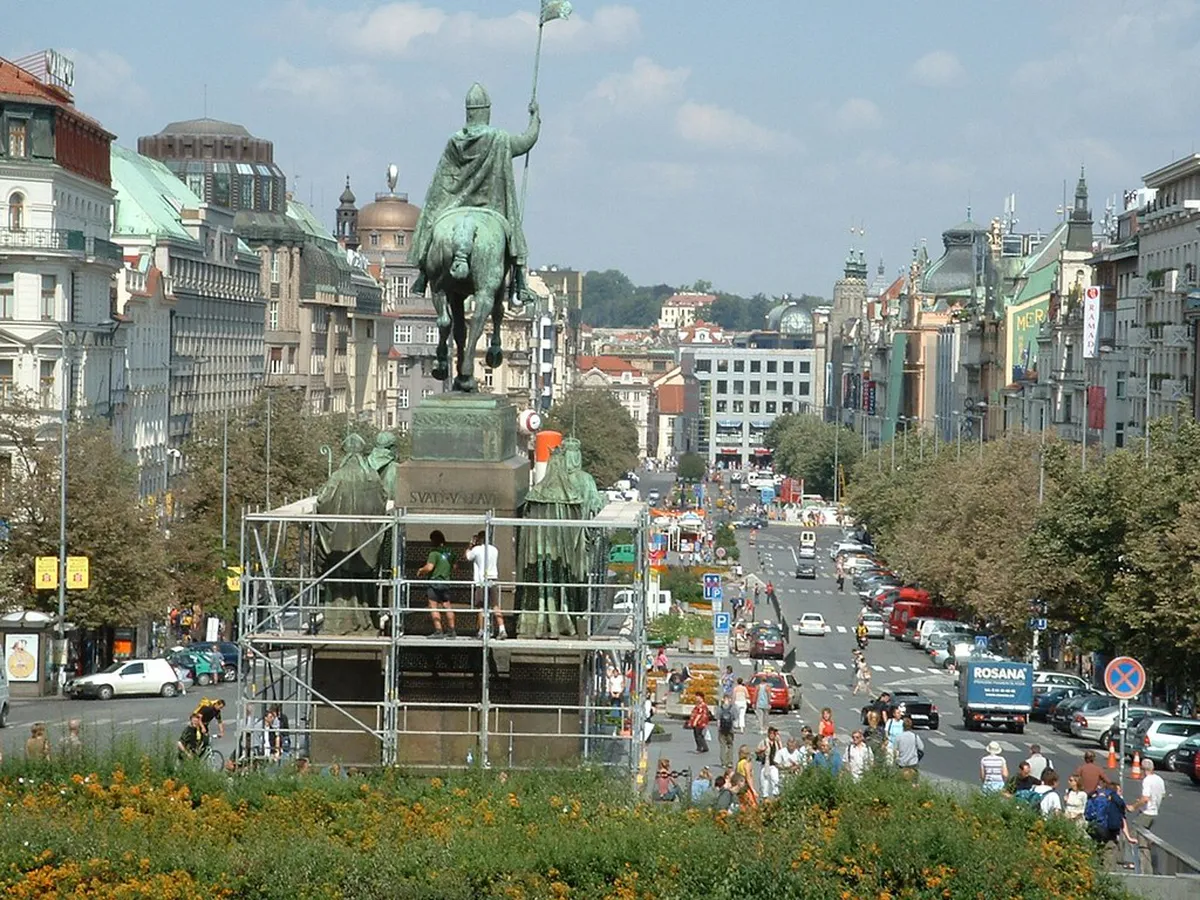
10 Key History of Wenceslas Square Protests and Events
Wenceslas Square is the vibrant heart of Prague. It is a place where history happens. The history of Wenceslas Square protests and events tells the story of a nation. Many people gather here to demand change. It is a long boulevard filled with shops and landmarks. You can feel the energy of the past here. Let us explore the most famous moments in this iconic space.
Top 10 History of Wenceslas Square Protests and Events
Wenceslas Square has seen many historical shifts. It served as a horse market in the Middle Ages. Today, it is a site for celebration and protest. Visitors can see memorials of brave citizens. This list highlights the most important events that shaped the square. Each site offers a glimpse into the Czech spirit.
- Quick picks:
- Best overall: The Velvet Revolution sites.
- Best for families: The National Museum.
- Best rainy-day: Lucerna Passage.
- Best free: Saint Wenceslas Statue.
- Name: 1918 Declaration of Independence Type: sight Why go: This marked the birth of Czechoslovakia. People gathered here to celebrate their new freedom from the empire. Best for: History buffs. Where: Near the Saint Wenceslas Statue. Time: 20 minutes. Cost: Free. Tip: Look for plaques near the statue base.
- Name: 1945 Prague Uprising Type: experience Why go: Citizens fought against Nazi occupation here. The square was a major battleground in the final days of WWII. Best for: War history enthusiasts. Where: Entire square length. Time: 1 hour walk. Cost: Free. Tip: Visit the top attractions in Prague to see related war memorials.
- Name: Jan Palach Memorial Type: sight Why go: Jan Palach set himself on fire in 1969. He did this to protest the Soviet invasion. It is a somber and powerful site. Best for: Reflection. Where: In front of the National Museum. Time: 15 minutes. Cost: Free. Tip: Look for the bronze cross embedded in the pavement.
- Name: The Velvet Revolution 1989 Type: experience Why go: This was the peaceful end of communist rule. Hundreds of thousands of people jingled keys here. It is the most famous event in the history of Wenceslas Square protests and events. Best for: Everyone. Where: Melantrich Building balcony. Time: 30 minutes. Cost: Free. Tip: Imagine the sound of thousands of keys ringing.
- Name: Saint Wenceslas Statue Type: sight Why go: This is the most famous meeting point in Prague. The patron saint sits on a horse. It is a symbol of Czech statehood. Best for: Photos. Where: Upper end of the square. Time: 15 minutes. Cost: Free. Tip: Locals often say "meet under the tail."
- Name: The National Museum Type: museum Why go: This building dominates the square. It was damaged during the 1968 invasion. You can still see bullet marks on the facade. Best for: Rainy days. Where: Top of the square. Time: 2-3 hours. Cost: Usually around 250-350 CZK. Tip: Check the National Museum Prague exhibits before you go.
- Name: Lucerna Passage Type: experience Why go: This Art Nouveau passage is full of history. It features a famous inverted horse statue. It was owned by the family of Václav Havel. Best for: Architecture lovers. Where: Off Štěpánská street. Time: 45 minutes. Cost: Free to enter. Tip: Visit the Lucerna Passage location for great coffee.
- Name: Million Moments for Democracy Type: experience Why go: Modern protests still happen here. These events show that the square remains a political hub in 2026. Best for: Modern history. Where: Lower and middle square. Time: 1 hour. Cost: Free. Tip: Check local news for scheduled gatherings.
- Name: New Year's Eve Celebrations Type: experience Why go: The square turns into a giant party. People from all over the world gather here. It is loud and very festive. Best for: Party seekers. Where: Entire square. Time: All night. Cost: Free. Tip: Be careful with fireworks in the crowds.
- Name: Prague Castle Day Trip Type: day trip Why go: Many protests started here and moved to the Castle. The two sites are linked by history. It is a short trip from the square. Best for: Sightseeing. Where: Hradčany district. Time: 4-6 hours. Cost: Around 250 CZK for main circuit. Tip: Use the Prague Castle complex guide for your visit.
Practical Tips for Visiting Wenceslas Square
Wenceslas Square is easy to reach. Two major metro lines meet here. You can use the Můstek or Muzeum stations. The square is very long. Wear comfortable shoes for walking. Many shops and cafes line the sides.
The square is generally safe. However, watch out for pickpockets in crowded areas. This is common in busy tourist spots. Keep your bags closed and in front. Most people speak some English here. You can find help easily if needed.
Visit early in the morning for photos. The light hits the National Museum beautifully. It is much quieter before the shops open. You can also visit late at night. The buildings are lit up and look grand. It is a different experience after dark.
Exploring Historical Sites Near the Square
You can walk to many other sites from here. Old Town Square is only ten minutes away. This path follows the historic Royal Route. Many kings traveled this way in the past. You will see beautiful buildings along the way.
The Visit Czechia portal has more ideas. You can find walking tours that focus on history. Some tours specifically cover the Cold War era. These are very popular near Wenceslas Square. They explain the events of 1968 and 1989 in detail.
Do not miss the small side streets. They hold hidden gardens and quiet cafes. Many historic buildings have courtyards you can enter. These offer a break from the busy main boulevard. Exploring these spots makes your trip more unique.
Frequently Asked Questions
What is the history of Wenceslas Square protests and events in 1989?
In 1989, the Velvet Revolution took place on Wenceslas Square. Hundreds of thousands of people gathered to protest the communist regime. They shook their keys to symbolize the unlocking of doors to freedom. This peaceful movement led to a democratic Czechoslovakia.
Who is the statue on Wenceslas Square?
The statue depicts Saint Wenceslas, the patron saint of the Czech lands. He was a 10th-century Duke of Bohemia. The monument was created by Josef Václav Myslbek. It is a central symbol of Czech identity and national pride.
Is Wenceslas Square a real square?
Technically, Wenceslas Square is a long boulevard rather than a traditional square. It is 750 meters long and 60 meters wide. It looks more like a grand avenue. It serves as the main center for business and culture in Prague's New Town.
Wenceslas Square is more than just a place to shop. It is a living monument to Czech history. Every corner has a story of courage or change. From the 1918 independence to modern rallies, it remains the heart of Prague. Plan your visit to see the Wenceslas Square and National Museum today. You will leave with a deeper understanding of this resilient nation.
Official resources
Use these sources for official schedules, tickets, routes, and updates.
- Prague.eu — Official city tourism portal; unverified.
- Praha.eu — Official municipal government portal; unverified.
- Visit Czechia — National tourism board; unverified.
- UNESCO World Heritage Centre — Official UNESCO heritage listing; unverified.
- Prague Castle — Official landmark domain; unverified.