
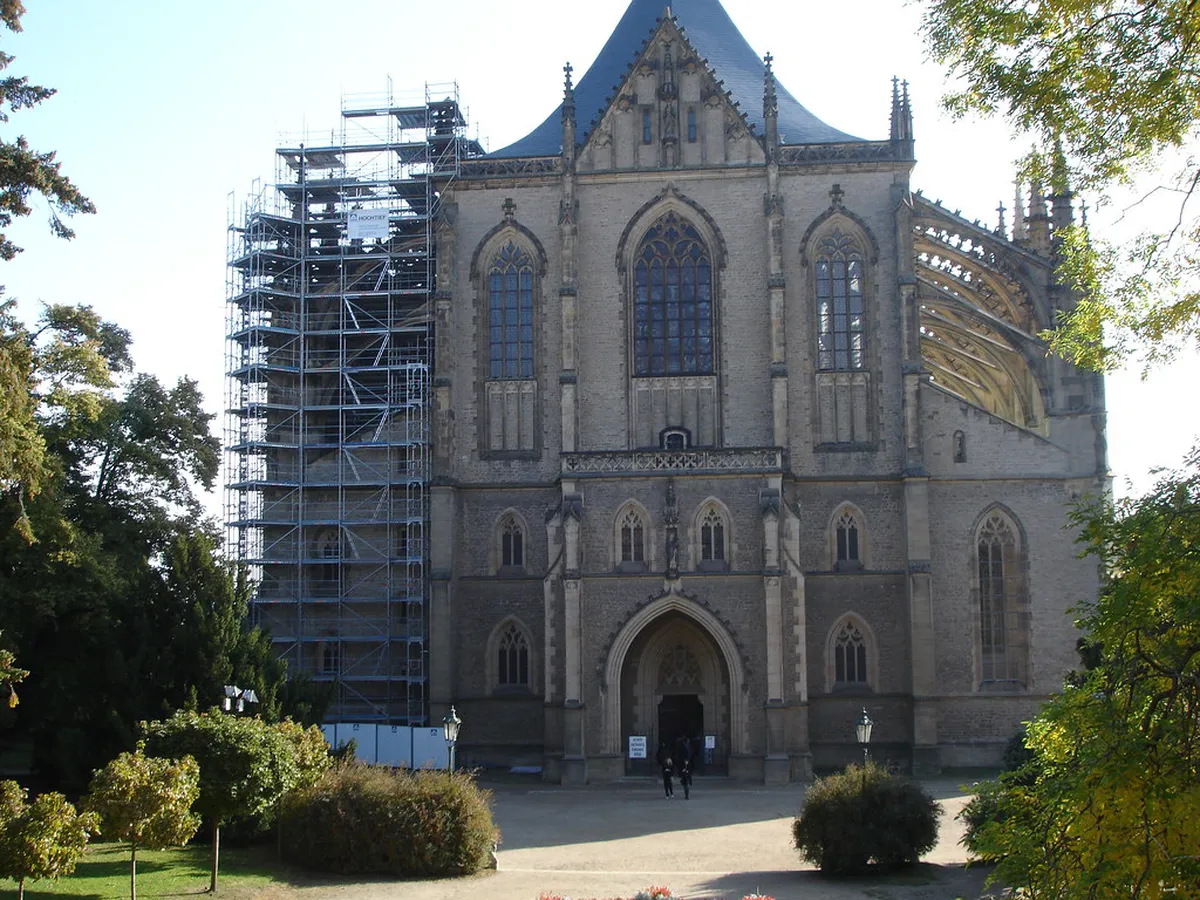
Exploring the History of St. Vitus Church Gothic Architecture
The history of St. Vitus Church Gothic architecture is central to the charm of Český Krumlov. This majestic building stands on a rocky promontory overlooking the Vltava River. It serves as a spiritual heart for the town. Construction began in the 14th century under the powerful Rožmberk family. Today, it remains a masterpiece of Late Gothic design. Visitors come from all over the world to see its slender tower. The church is part of the UNESCO World Heritage site. Exploring these Church of St. Vitus landmarks offers a deep look into medieval Bohemia.
The Legacy of Gothic Architecture in Český Krumlov
St. Vitus Church is a prime example of South Bohemian Gothic style. The building was completed in the mid-15th century. It features a triple-nave design that creates a sense of immense height. You can see the influence of famous architects like Peter Parler in its structure. This style is unique to the Visit Czechia region. The church has survived many centuries with its original form mostly intact.
Many top attractions in Cesky Krumlov focus on the castle. However, this church holds the town's religious history. The Rožmberk family chose this site for their official burial ground. This decision brought wealth and high-quality craftsmanship to the building. The tall lancet windows are typical of the era. They allow soft light to fill the interior space. This creates a peaceful atmosphere for all who enter.
10 Must-See Landmarks of St. Vitus Church
To truly understand the history of St. Vitus Church Gothic architecture, you must look at specific details. These items showcase the skill of medieval stonemasons and artists. Use this list to find the most important features during your tour.
- Best overall: The Late Gothic Net Vaulting
- Best for history: Tomb of William of Rožmberk
- Best free sight: The South Portal
- Best for art: St. Catherine Frescoes
- Name: Late Gothic Net Vaulting Type: Architectural sight Why go: This is a masterpiece of medieval engineering. The ribs form a complex pattern across the ceiling. Best for: Architecture lovers. Where: The main nave ceiling. Time: 15 minutes. Cost: Free/Donation. Getting there: Walk to the center of the nave and look up. Tip: Use binoculars to see the painted coats of arms on the bosses.
- Name: Tomb of William of Rožmberk Type: Historical landmark Why go: It honors one of the most powerful men in Czech history. The red marble monument is stunning. Best for: History buffs. Where: Near the main altar. Time: 10 minutes. Cost: Free/Donation. Getting there: Located in the presbytery area. Tip: Look for the heraldic lions at the base of the tomb.
- Name: St. John of Nepomuk Chapel Type: Experience Why go: This Baroque addition holds the hearts of the Schwarzenberg family. It shows how the church evolved over time. Best for: Unique local history. Where: Left side of the nave. Time: 10 minutes. Cost: Free/Donation. Getting there: Enter the side chapel through the ornate gate. Tip: Check the opening times as this chapel is sometimes closed for private prayer.
- Name: The Gothic South Portal Type: Sight Why go: It is the main entrance and features original 15th-century stonework. The carvings are incredibly detailed. Best for: Photographers. Where: Exterior south side. Time: 5 minutes. Cost: Free. Getting there: Approach the church from the town square side. Tip: Visit in the morning for the best lighting on the carvings.
- Name: The High Altar Type: Sight Why go: This massive altar dates back to the late 17th century. It features a painting of St. Vitus and the Virgin Mary. Best for: Art enthusiasts. Where: The front of the church. Time: 15 minutes. Cost: Free/Donation. Getting there: Walk straight down the center aisle. Tip: Stay for a few minutes to see how the light changes the colors of the painting.
- Name: The Renaissance Organ Loft Type: Experience Why go: It is one of the most beautiful organ galleries in Bohemia. The woodwork is from the late 15th century. Best for: Music lovers. Where: Above the main entrance. Time: 10 minutes. Cost: Free. Getting there: Turn around once you enter the church. Tip: Try to visit during a scheduled organ concert for the full experience.
- Name: Gothic Wall Frescoes Type: Art Why go: These rare paintings depict St. Catherine and St. Ursula. They date back to the 15th century. Best for: Medieval art fans. Where: On the walls of the side aisles. Time: 15 minutes. Cost: Free/Donation. Getting there: Walk along the side walls and look for protected sections. Tip: Use a flashlight or phone light to see the faded details better.
- Name: The Slender Octagonal Tower Type: Landmark Why go: It defines the skyline of Český Krumlov. The tower was rebuilt in the 19th century in Neo-Gothic style. Best for: Viewpoints. Where: Exterior. Time: 5 minutes. Cost: Free. Getting there: Visible from almost anywhere in the old town. Tip: The best view of the tower is from the Castle's Cloak Bridge.
- Name: The Resurrection Chapel Type: Experience Why go: This chapel features unique wall paintings and a peaceful atmosphere. It is a quiet place for reflection. Best for: Spiritual visitors. Where: Right side of the church. Time: 10 minutes. Cost: Free/Donation. Getting there: Follow the signs for the side altars. Tip: Keep noise to a minimum as people often pray here.
- Name: Stone Baptismal Font Type: Sight Why go: This 16th-century font is a great example of transitional style. It sits on stone lions. Best for: Sculpture lovers. Where: Near the entrance. Time: 5 minutes. Cost: Free. Getting there: Located near the back of the nave. Tip: Notice the intricate metal cover on top of the stone font.
Planning Your Visit to St. Vitus Church
When visiting Church of St. Vitus in Cesky Krumlov, timing is key. The church is an active place of worship. Avoid visiting during mass unless you wish to participate. Most tourists find that early morning is the quietest time. This allows you to admire the architecture without large crowds. Always dress modestly when entering the sacred space.
Photography is generally allowed but avoid using flash. This helps preserve the delicate frescoes and paintings. The church does not have a formal entry fee. However, donations are highly encouraged to help with maintenance. You can easily spend an hour exploring the interior and exterior details. After your visit, consider taking one of the Cesky Krumlov Castle complex tours nearby. These sites together provide a full picture of the town's history.
Frequently Asked Questions
When was St. Vitus Church in Český Krumlov built?
Construction of the current Gothic structure began around 1407. It was built on the site of an older 13th-century church. The building was largely completed by 1439. Later additions, like the tower and side chapels, were added in the Renaissance and Baroque periods.
Is there an entrance fee for St. Vitus Church?
No, there is typically no fixed entrance fee for visitors. The church relies on voluntary donations from tourists to fund its upkeep. It is polite to leave a small contribution in the boxes near the entrance. Some special concerts or guided tours may require a ticket.
Can I take photos inside the church?
Yes, photography for personal use is usually permitted inside St. Vitus Church. However, you must turn off your flash to protect the ancient artworks. Photography is strictly prohibited during religious services. Always check for updated signs at the entrance for any changes in rules.
The history of St. Vitus Church Gothic architecture is a vital part of any trip to Bohemia. From its soaring net vaults to its historical tombs, the church offers a quiet escape into the past. Make sure to include this landmark in your 2026 itinerary. It provides a perfect balance to the busy castle nearby. For more planning tips, check out our guide on top attractions in Cesky Krumlov today.
Official resources
Use these sources for official schedules, tickets, routes, and updates.
- Český Krumlov Official Tourism — Official DMO portal. (unverified)
- Visit Czechia — National tourism board. (unverified)
- UNESCO World Heritage Centre — Official UNESCO listing. (unverified)
- Lonely Planet — Major editorial travel guide. (unverified)
- State Castle and Chateau Český Krumlov — Official landmark site. (unverified)
- Egon Schiele Art Centrum — Major city museum. (unverified)