
Explore the History of Stranska Skala Rock Formation Walk
Stránská skála is a hidden gem in the city of Brno. It offers a unique mix of nature and deep time. Learning the history of stranska skala rock formation walk makes the trip much better. You will see ancient fossils and hidden war tunnels along the path. It is one of the best walks in Brno for history lovers. This site is a protected national natural monument. It sits on the eastern edge of the city. Visitors can explore layers of history from millions of years ago. The trail is easy to reach and very rewarding.
Quick Picks for Your Stranska Skala Hike
Planning a trip can be overwhelming. Here are some quick suggestions for your visit to Stránská skála. These picks help you focus on what matters most to you. Whether you love war history or rare plants, there is something here.
- Best Overall: The WWII Underground Tunnels for their mystery.
- Best for Families: The Fossil Slopes where kids can look for ancient shells.
- Best for History Buffs: The Paleolithic Settlement site near the cave entrance.
- Best Free Activity: The Upper Plateau Viewpoint for stunning city views.
Make sure to bring sturdy shoes. Some paths are rocky and can be slippery after rain. This Stranska Skala nature trail hike is perfect for a half-day outing.
The History of Stranska Skala Rock Formation Walk
The history of this site begins 160 million years ago. During the Jurassic period, a warm sea covered this area. This created the thick layers of limestone you see today. You can still find fossils of sea creatures in the rock. Later, prehistoric humans lived in the caves on the hillside. Archaeologists found tools used by Neanderthals here. This makes it one of the most important Paleolithic sites in Europe.
In the Middle Ages, the rock became a valuable resource. People quarried the limestone to build many famous buildings in Brno. You can see this stone in the city's old churches. During World War II, the site took on a darker role. Nazi forces built secret underground factories inside the hill. They wanted to protect engine production from Allied bombs. After the war, the tunnels served as civil defense shelters.
Today, the area is a peaceful nature reserve. It protects rare steppe plants and endangered insects. Walking here feels like traveling through a giant history book. Each layer of the hill tells a different story of the past. It is a place where nature and human history meet perfectly.
10 Must-See Stops on the Stranska Skala Trail
This list guides you through the most important spots on the hill. Each stop highlights a different era of the history of stranska skala rock formation walk. Follow the marked trails to find these specific locations easily.
- Name: The Paleolithic Cave Entrance Type: sight Why go: See where prehistoric humans once lived and worked. Best for: History lovers. Where: Western slope. Time: 15 minutes. Cost: Free. Tip: Look for the information boards explaining the archaeological finds.
- Name: Jurassic Limestone Cliffs Type: sight Why go: Observe the massive layers of ancient sea sediment. Best for: Photographers. Where: Main rock face. Time: 20 minutes. Cost: Free. Tip: The light is best for photos in the late afternoon.
- Name: WWII Flugmotorenwerke Tunnels Type: experience Why go: Explore the massive man-made caverns built for war production. Best for: Adventure seekers. Where: Northern base of the hill. Time: 45 minutes. Cost: Free. Tip: Bring a strong flashlight as the tunnels are pitch black inside.
- Name: Medieval Wiesenbruch Quarry Type: sight Why go: See the source of the stone used for Brno's historic center. Best for: Architecture fans. Where: Central part of the trail. Time: 15 minutes. Cost: Free. Tip: Look for the flat vertical walls left by the quarry workers.
- Name: Cold War Civil Defense Shelter Type: experience Why go: See how the WWII tunnels were adapted during the 1950s. Best for: Modern history buffs. Where: Near the main tunnel entrance. Time: 20 minutes. Cost: Free. Tip: Notice the heavy steel doors designed to block radiation.
- Name: The Upper Rock Plateau Type: viewpoint Why go: Enjoy panoramic views of Brno and the surrounding countryside. Best for: Everyone. Where: Top of the hill. Time: 30 minutes. Cost: Free. Tip: This is the best spot for a picnic lunch.
- Name: The Steppe Grasslands Type: nature Why go: See rare flowers and butterflies that only grow in this rocky soil. Best for: Nature lovers. Where: Southern slopes. Time: 20 minutes. Cost: Free. Tip: Visit in May or June to see the most wildflowers in bloom.
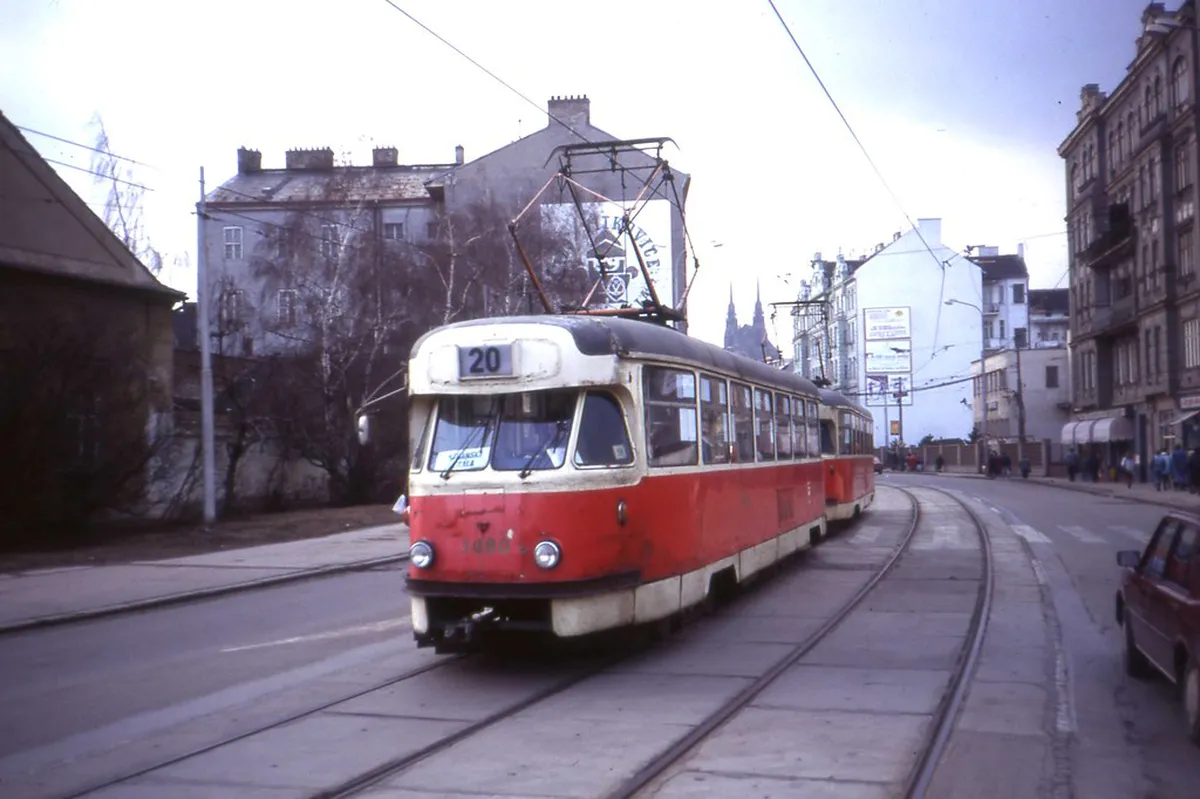
- Name: The Industrial Tram Loop Type: experience Why go: Experience the unique tram connection to Stranska Skala hiking trail. Best for: Transport fans. Where: Stránská skála tram stop. Time: 10 minutes. Cost: Standard tram ticket. Tip: Check the DPMB schedule for line 10 times.
- Name: The Fossil Hunting Slopes Type: activity Why go: Search for small crinoids and shells in the loose rock. Best for: Families with kids. Where: Lower eastern slopes. Time: 30 minutes. Cost: Free. Tip: Please do not use hammers; only look for loose fossils on the ground.
- Name: Mariánské údolí Type: day trip Why go: A beautiful valley with lakes and caves just a short bus ride away. Best for: A full day of nature. Where: 3 km east of Stránská skála. Time: 3-4 hours. Cost: Free. Tip: You can walk here directly from Stránská skála if you have energy.
Practical Tips for Your Brno History Walk
Visiting Stránská skála is easy if you plan ahead. The site is open all year round and has no entry fee. Most people spend about two to three hours exploring the main trails. The terrain is uneven, so wear hiking boots or good sneakers. Avoid visiting during heavy rain as the limestone becomes very slippery.
To get there, take tram line 10 from the city center. Get off at the stop named "Stránská skála." From there, the trail starts right next to the tracks. You can find more info on the Go To Brno tourism portal. There are no shops or cafes on the hill itself. Bring your own water and snacks for the walk.
Safety is important when exploring the WWII tunnels. Some areas may have loose rocks or debris. Always stay on the main paths unless you are an experienced explorer. If you want to see more of Brno's history, consider a walk to Spilberk Castle from the city center later. Both sites offer a deep look into the city's past.
Frequently Asked Questions
Is Stránská skála safe to visit alone?
Yes, Stránská skála is generally safe for solo walkers during daylight hours. The trails are well-marked and popular with locals. However, avoid entering the unlit WWII tunnels alone without a flashlight and proper gear. Always tell someone your plans before heading into isolated areas.
Can I find fossils at Stránská skála?
Yes, you can often find small fossils like sea lily segments in the limestone. It is best to look in areas where the rock has naturally crumbled. Remember that this is a protected natural monument. You should not use tools to break the rock or remove large specimens.
The history of stranska skala rock formation walk offers a fascinating journey through time. From Jurassic seas to secret WWII factories, this hill is a must-visit in Brno. It provides a perfect escape into nature without leaving the city limits. Pack your bags, grab a flashlight, and explore this limestone wonder today. For more urban adventures, check out this walk to Spilberk Castle to see Brno's famous fortress.
Official resources
Use these sources for official schedules, tickets, routes, and updates.
- Go To Brno — Official tourism portal; unverified source.
- City of Brno — Official municipal portal; unverified source.
- UNESCO World Heritage - Villa Tugendhat — International heritage designation; unverified source.
- Lonely Planet Brno — Major editorial travel guide; unverified source.
- Visit Czechia — National tourism board; unverified source.