
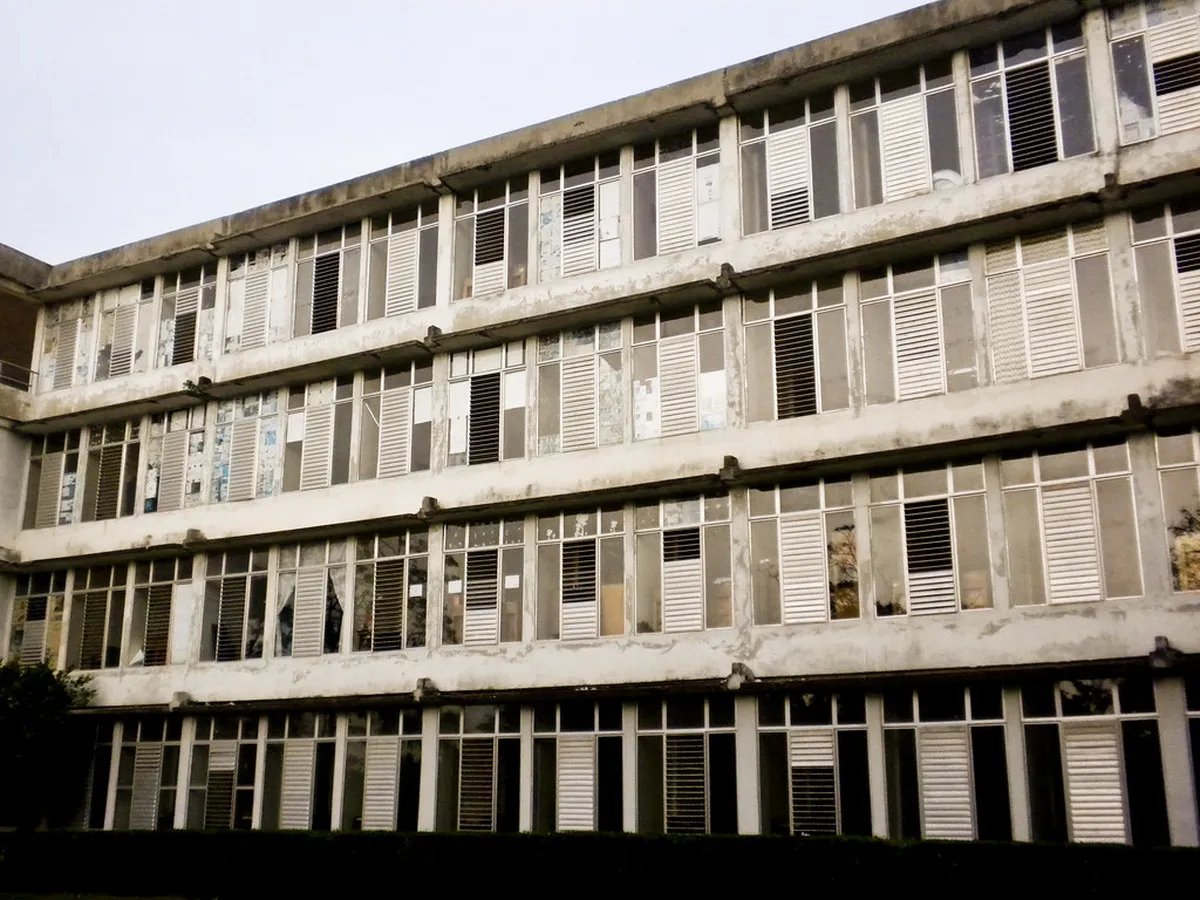
A Complete Functionalist Architecture Walking Route in Brno
Brno is often called the Mecca of modernism. This city holds one of the densest collections of modernist buildings in Europe. Following a functionalist architecture walking route in Brno allows you to see history through glass and steel. These structures reflect the optimism of the First Czechoslovak Republic. You will discover clean lines, open spaces, and innovative materials throughout the city center. This itinerary helps you navigate the most significant landmarks efficiently.
At a glance:
- Day 1: Villa Tugendhat, Era Café, and the narrow Hotel Avion.
- Day 2: The Brno Exhibition Centre and the experimental Nový Dům colony.
- Logistics: Use the efficient tram system and book villa tours months in advance.
Why Brno is the Capital of Functionalism
In the 1920s, Brno experienced a massive economic and cultural boom. Architects here embraced the idea that form follows function. They rejected heavy ornaments for simple, practical designs. This movement created the unique "Brno School" of architecture. Local designers collaborated with international masters to reshape the city skyline.
The city became a laboratory for new living concepts. Architects used reinforced concrete and large glass walls to invite light inside. Many of these buildings still serve their original purposes today. You can see schools, post offices, and private homes in this style. This heritage makes Brno a primary destination for design lovers worldwide.
Exploring these sites is easy with several best walks in Brno that focus on history. You will notice how the buildings interact with the surrounding landscape. The focus was always on health, light, and social progress. This spirit is still felt in the streets today.
Logistics for Your Functionalist Architecture Walking Route in Brno
Planning is essential for any functionalist architecture walking route in Brno. Most major villas require tickets purchased at least three months early. This is especially true for the UNESCO World Heritage - Villa Tugendhat. Walking is the best way to see the details of these structures. However, some sites are located in outer residential districts.
Brno has an excellent public transport network of trams and buses. You can check schedules on the official DPMB - Brno Public Transport website. Buy a 24-hour or 48-hour pass for maximum flexibility. Most architectural sites are within zones 100 and 101. Wear comfortable shoes as some residential streets are hilly.
The best time to visit is from April to October. During these months, the gardens surrounding the villas are in full bloom. Many buildings have specific opening hours for interior tours. Always check the Go To Brno portal for current events. This will help you avoid closures during public holidays or private functions.
Day 1: The Iconic Northern Villas and City Center
Start your morning in the Černá Pole district. This area is home to the world-famous Villa Tugendhat. It was designed by Ludwig Mies van der Rohe in 1929. The villa features a massive glass wall that disappears into the floor. Even if you cannot get inside, the exterior view from the garden is stunning.
Day 1: Morning (09:00 - 12:00): Visit Villa Tugendhat and the neighboring Villa Löw-Beer. Afternoon (13:00 - 16:00): Walk through the Luzanky Park walking paths to reach Era Café. Evening (17:00 - 20:00): Explore the city center for commercial functionalist gems.
After your morning tour, head to Era Café for lunch. This building is a masterpiece of the functionalist style. It features a striking red staircase and large windows. It is one of the few places where you can dine inside a historic monument. The walk through the park provides a nice break from the urban pavement.
Finish your day with a self-guided Brno city center walking tour. Look for the Hotel Avion on Česká Street. It is one of the narrowest hotels in Europe. Also, visit the Moravian Bank on Freedom Square. These buildings show how functionalism worked for business and hospitality.
Day 2: The Exhibition Centre and Garden Cities
On the second day, head west toward the Pisárky district. This area hosted the Exhibition of Contemporary Culture in 1928. The Brno Exhibition Centre remains a landmark of modern engineering. Its pavilions feature massive steel arches and glass domes. It is still a very active venue for international trade fairs.
Day 2: Morning (10:00 - 12:30): Explore the Brno Exhibition Centre grounds. Afternoon (13:30 - 16:00): Visit Villa Stiassni and its expansive gardens. Evening (16:30 - 18:30): Walk through the Nový Dům experimental housing colony.
Villa Stiassni is another must-see on your functionalist architecture walking route in Brno. It was designed by Ernst Wiesner for a wealthy textile merchant. The house features a unique L-shaped floor plan. The interior blends modern comfort with traditional luxury. The gardens are perfect for a quiet afternoon stroll.
End your route at the Nový Dům colony in the Žabovřesky district. This was an experimental project featuring 16 small family houses. Various architects contributed to this "garden city" concept. It shows how modernism was intended for everyday people. Most of these houses are still private residences today.
Where to Stay for Architecture Enthusiasts
Choosing the right base can enhance your architectural experience. The Černá Pole neighborhood is very quiet and green. It is perfect if you want to be near the famous villas. There are several boutique apartments located in renovated modernist buildings here. You will enjoy the authentic atmosphere of a 1930s residential district.
If you prefer the city center, look for hotels near the main square. Staying at the Hotel Avion offers a truly unique experience. Its narrow layout is a marvel of spatial planning. From here, you are close to the night walking route in Brno center landmarks. This allows you to see the buildings illuminated after dark.
For a more budget-friendly option, consider the area near the Exhibition Centre. It has many functionalist apartment blocks that offer short-term rentals. This location is well-connected to the tram lines. You can easily reach any part of the city within 15 minutes. It is a practical choice for those following a busy itinerary.
Frequently Asked Questions
Can I see Villa Tugendhat without a prior booking?
You can usually enter the garden without a reservation for a small fee. However, interior tours sell out months in advance. It is highly recommended to book your tickets online as soon as they are released. Check the official website for the exact release dates of tour slots.
How long does the functionalist walking route take?
A comprehensive route usually takes two full days to complete. This allows time for interior tours and travel between districts. If you only have one day, focus on the Černá Pole area and the city center. This covers the most iconic landmarks within a smaller walking radius.
Is Brno easy to navigate for English speakers?
Yes, Brno is very tourist-friendly for English speakers. Most museums and architectural sites have English descriptions and guides. Public transport ticket machines also have English language options. The city is compact, and most major sites are well-marked with information plaques in multiple languages.
Brno offers a world-class experience for fans of modern design. This functionalist architecture walking route in Brno takes you through the heart of a design revolution. From the luxury of Villa Tugendhat to the practical Nový Dům colony, you see the full range of the movement. Remember to book your tours early and use the tram for longer distances. For more inspiration on exploring the city, check out our guide on best walks in Brno. Enjoy your journey through the history of 20th-century architecture.
Official resources
Use these sources for official schedules, tickets, routes, and updates.
- Go To Brno — Official tourism portal; unverified source.
- City of Brno — Official municipal portal; unverified source.
- UNESCO World Heritage - Villa Tugendhat — International heritage designation; unverified source.
- Lonely Planet Brno — Major editorial travel guide; unverified source.
- Visit Czechia — National tourism board; unverified source.